Find Your Local UV Index !


UV Index Today in USA

AL AK AZ AR CA CT DE DC GA HI ID IL IN IA KS KY LA ME MD MA MI MN MS MO MT NE NV NH NJ NM NY NC ND OH OK OR PA RI SC SD TN TX UT VT VA WA WV WI WY CO FL
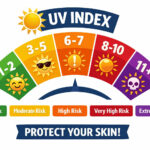
  • Low
    1-2
  • Moderate
    3-4-5
  • High
    6-7
  • Very High
    8-9-10
  • Xtreme
    11+

UV Index Today in Major Cities


The UV index is a figure that shows up on weather apps or at the end of a forecast, usually with a quick reminder to “wear sunscreen.” Even though it appears every day, few of us pause to ask what the number means or why it matters outside of beach trips and summer holidays. In truth, the UV index is a plain but useful guide that helps you shield your skin, your eyes and your future health at any time of year.

Put simply, the UV index is a scale that states how intense the sun's ultraviolet radiation is at a given moment plus place. Ultraviolet radiation is the part of sunlight that you cannot see. It harms living tissue, especially skin cells. Scientists take detailed readings and compress them into one figure that tells you how likely unprotected exposure is to hurt you. A larger figure means stronger radiation and faster damage.

The value of the UV index lies in its plainness - the scale normally runs from 0 up to 11 or more in extreme conditions. A low value, 0 - 2, carries little risk for most people but also ordinary sun protection is enough. As the figure rises, the danger rises. Once the index reaches 6 or 7, unprotected skin can burn in a short time, above all for people with lighter skin. When the figure climbs to 10 or beyond, even a brief spell outside without protection can injure the skin. Because the scale is numerical, anyone can decide within seconds how to stay safe without studying meteorology or health science.

Many factors influence the UV index on any given day. One of the most obvious is the position of the sun in the sky. Around midday, when the sun is highest, UV radiation is typically strongest. This is why sunburn is more likely between late morning and mid-afternoon. The time of year also matters. During summer months, when the sun’s rays strike the Earth more directly, UV levels are generally higher than in winter. However, this doesn’t mean UV exposure disappears when it’s cold. Snow can reflect UV rays, increasing exposure, which is why skiers and snowboarders can still get sunburned on chilly days.

Geography plays a significant role as well. Locations closer to the equator tend to have higher UV index values year-round because the sun’s rays are more direct. Altitude is another important factor that often surprises people. The higher you go above sea level, the thinner the atmosphere becomes, which means less UV radiation is filtered out. For every increase in altitude, UV exposure rises, making sun protection especially important in mountainous areas.

Cloud cover is commonly misunderstood when it comes to UV exposure. Many people assume that a cloudy day automatically means low UV risk, but that’s not always true. While thick clouds can reduce UV radiation, thin or scattered clouds may only block visible light while still allowing significant amounts of UV rays to pass through. In some cases, clouds can even scatter sunlight in a way that increases UV exposure at ground level. This is why people often get sunburned on overcast days without realizing it until later.

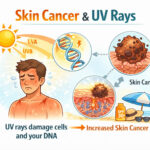
Understanding the UV index becomes especially important when you consider its long-term health implications. Short-term overexposure can lead to sunburn, which is not only painful but also damages skin cells. Repeated sunburns over time increase the risk of skin cancer, including melanoma, which is one of the most dangerous forms. UV radiation also contributes to premature skin aging, causing wrinkles, loss of elasticity, and dark spots. Beyond the skin, UV exposure can harm the eyes, increasing the risk of cataracts and other eye conditions.

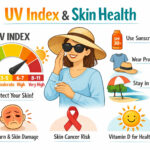
One of the most practical benefits of paying attention to the UV index is that it helps you plan your day more intelligently. A high UV index doesn’t mean you need to stay indoors, but it does suggest taking extra precautions. Wearing sunscreen with a suitable SPF, seeking shade during peak hours, wearing protective clothing, and using sunglasses that block UV rays can significantly reduce your risk. On days with extreme UV levels, even short outdoor activities can require careful planning.

The UV index also reminds us that sun safety isn’t just a summer concern. Many people let their guard down during spring, fall, or winter, assuming the sun isn’t strong enough to cause harm. In reality, UV radiation can still be intense during these seasons, especially at higher altitudes or in regions with reflective surfaces like snow or water. Checking the UV index year-round helps reinforce consistent habits rather than reactive ones.

It’s also worth noting that different skin types respond differently to UV exposure. People with lighter skin tones tend to burn more quickly, while those with darker skin have more natural protection due to higher levels of melanin. However, no skin type is immune to UV damage. The UV index applies to everyone, even if the visible effects appear more slowly in some individuals. This universal relevance is part of what makes the UV index such a valuable public health tool.

Children deserve special attention when it comes to UV exposure. Their skin is more sensitive, and sun damage early in life can have lasting effects. Teaching kids to understand the UV index in simple terms can help them develop healthy habits that carry into adulthood. Making sun protection routine rather than optional sets a strong foundation for lifelong skin health.

In recent years, the UV index has become more accessible than ever. Most weather apps, websites, and forecasts include it as a standard feature, often with color-coded warnings or brief safety tips. This visibility reflects growing awareness of the dangers of UV radiation and the importance of prevention. Still, many people overlook it or underestimate its significance, treating it as background information rather than a practical guide.

What’s interesting about the UV index is that it represents a blend of science and everyday life. Behind that simple number are satellite data, atmospheric models, and years of research. Yet the end result is something anyone can use in seconds. It’s a reminder that science doesn’t always need to be complicated to be effective. Sometimes, a clear and accessible message can make the biggest difference.

Ultimately, the UV index is about awareness, not fear. The sun is essential for life, influencing everything from our mood to our vitamin D levels. The goal isn’t to avoid sunlight entirely, but to interact with it more thoughtfully. By paying attention to the UV index, you gain a better understanding of when the sun is gentle and when it demands respect. That awareness empowers you to enjoy outdoor activities while minimizing unnecessary risks.

In a world where we constantly juggle information, the UV index stands out as a small piece of data with a big impact. It quietly encourages smarter choices, healthier habits, and a deeper appreciation for the environment around us. Whether you’re heading to the beach, going for a walk, or simply running errands, that little number can help guide you toward a safer and more balanced relationship with the sun.